Stained Glass Beach Scene Backgrounds: A Creative Asset
Finding the right visual foundation for a project can often feel like searching for a specific shell on a vast shoreline. You need something that captures a mood, tells a story, and holds up to technical demands. This is where a well-curated collection of digital papers becomes invaluable, moving beyond simple textures to offer genuine narrative potential. The Stained Glass Beach Scene Backgrounds collection is one such asset, providing a distinct visual language that blends the timeless art of stained glass with the serene, evocative imagery of coastal landscapes.
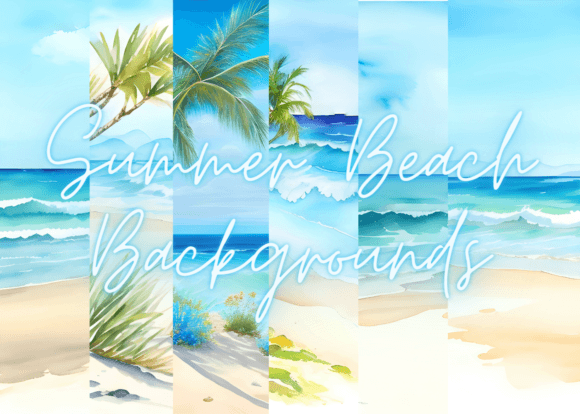
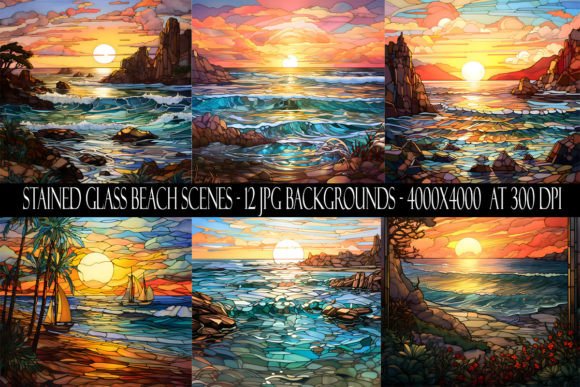
At its core, this collection comprises 12 unique JPG backgrounds. Each design is a digital interpretation of a beach scene, rendered through the lens of stained glass artistry. Think of the bold, lead-like outlines segmenting the image, the rich, saturated color fields within each segment, and the way light might appear to glow through such a composition. The visual personality is one of structured beauty and nostalgic charm. It’s not a photorealistic seascape, nor is it a simple pattern; it’s a stylized, artistic representation that carries the weight of craft tradition while feeling fresh in a digital context. The appeal lies in this duality—it’s both decorative and meaningful, offering depth that a flat color or basic gradient simply cannot.
Where These Beach Scene Papers Shine
The practical applications for a resource like this are surprisingly wide-ranging, especially for professionals and creators who need to stand out. Its strength lies in projects where atmosphere and artistry are paramount.
For editorial design and publishing, these backgrounds can transform a magazine cover, a book interior chapter page, or a blog header. Imagine a travel feature on coastal retreats or a summer recipe collection; the stained glass effect adds a layer of sophistication and theme without overwhelming the typography. In packaging design, particularly for artisanal goods, bath products, or gourmet foods with a coastal or relaxation theme, this collection provides an instantly recognizable and premium-feeling backdrop that communicates quality and care.
Digital creators will find them exceptionally useful. A social media graphics template for a wellness brand, a YouTube channel intro about beachcombing, or an Instagram story promoting a coastal sale can all be elevated. The high-resolution 4000x4000 pixel files ensure clarity even when cropped or used in larger formats. For web design, they can serve as striking hero section backgrounds for specific landing pages, especially for businesses in hospitality, tourism, or creative services, provided they are used with mindful contrast for text readability.
Beyond commercial use, the personal and hobbyist space is where creativity truly flourishes. Crafters can use them for digital scrapbooking, unique printable wall art, or as a base for custom greeting cards. The included commercial and print-on-demand license means small business owners can confidently incorporate these designs into products they sell, like notebook covers, poster prints, or digital planners, adding significant value to their offerings.
Integrating the Aesthetic: Practical Guidance
Adopting a strong visual asset like this requires a thoughtful approach to ensure it enhances rather than clashes with your project’s goals. Here’s how to think about integrating it effectively.
Evaluating Project Fit and Readability: The first step is always to consider context. This style is inherently decorative and rich in detail. Therefore, it works best as a background for content that doesn’t require dense, long-form text directly over the most complex areas of the image. For headlines, short quotes, or logos, it can be magnificent. For body copy, consider using a solid color overlay or a semi-transparent box to ensure your words remain the star. The personality of the background should align with your brand’s voice—ideal for brands that are artistic, serene, nostalgic, or artisanal.
Pairing with Typography: This is where modern typography principles become your friend. The intricate, segmented nature of the stained glass scene pairs beautifully with clean, simple typefaces. A sans serif font with good weight and spacing provides a perfect counterbalance, ensuring legibility and a contemporary feel. Alternatively, a classic serif font can lean into the traditional, crafted aesthetic. Avoid overly decorative script fonts or complex handwritten fonts directly on top of the busiest parts of the background, as they will compete for attention. Think of the background as the stage and your typography as the lead actor—both need space to perform.
Leveraging the Technical Specs: The 300 dpi resolution and generous 4000x4000 pixel dimensions are a significant practical advantage. This isn’t a low-quality web graphic; it’s a design asset built for professional output. It means you can print at high quality for physical products, crop tightly for digital banners, and use the files across a brand identity system—from business cards to large-format signage—with confidence. The removal of the watermark upon download is, of course, essential for any final use.
Understanding the License: The included commercial and print-on-demand license is a critical feature. It removes legal ambiguity, allowing entrepreneurs and creators to monetize works incorporating these backgrounds. This transforms the collection from a mere inspiration tool into a genuine component of a commercial toolkit. Always review the specific terms, but the inclusion of such a license signals an understanding of the creator economy’s needs.
In essence, the Stained Glass Beach Scene Backgrounds are more than just pretty pictures. They are a curated set of design assets that offer a unique blend of artistry and utility. By understanding their visual character and applying them with strategic consideration for readability, typography, and context, you can unlock a powerful way to differentiate your projects, tell a more compelling visual story, and connect with your audience on a deeper, more aesthetic level. They provide the kind of visual hierarchy and professional polish that helps a design—and the message it carries—truly resonate.