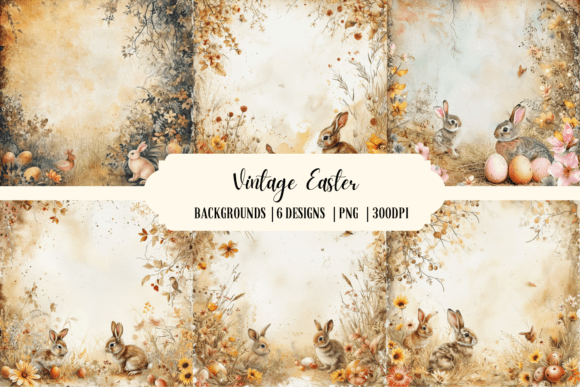
Vintage Easter Backgrounds: A Designer's Toolkit for Timeless Charm
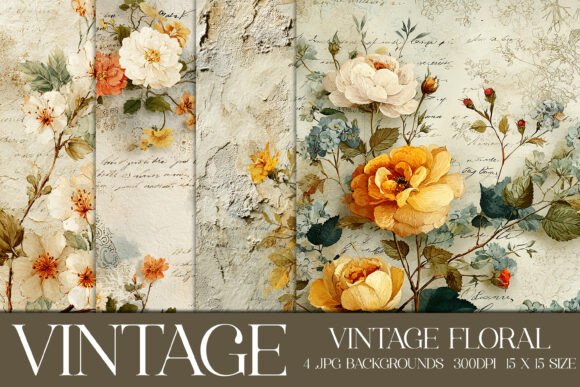
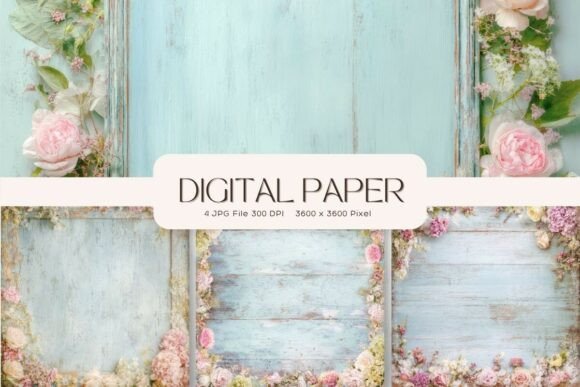
There's a particular kind of warmth that comes with vintage Easter aesthetics. It's not the hyper-saturated, plastic sheen of modern mass production, but something softer, more nostalgic. Think of faded pastels on aged paper, delicate floral motifs with a slightly worn texture, and the gentle charm of hand-painted eggs from a bygone era. This is the exact sentiment captured in the Vintage Easter Backgrounds collection from Babydell Art. Designed as versatile 12x12 inch PNG files, these aren't just static images; they're foundational design assets ready to inject a dose of authentic, retro-inspired personality into a wide array of creative projects.
The Visual Language: More Than Just Pretty Patterns
At its core, this collection of six high-resolution backgrounds speaks a visual language of gentle nostalgia. The color palette likely leans into the classic Easter spectrum—soft lavenders, mint greens, buttery yellows, and blush pinks—but with a crucial twist. These aren't crisp, digital pastels. They have depth, perhaps with subtle gradients, faint speckles, or a textured overlay that mimics the look of watercolor on cold-press paper or the gentle fading of a vintage postcard. The personality is unhurried and handmade, evoking feelings of comfort, tradition, and artisanal quality. This style avoids the cold precision of modern typography and instead offers a backdrop that feels organic and lived-in. For a brand identity centered on handcrafted goods, boutique bakeries, or eco-friendly products, this visual language instantly communicates authenticity and care. It’s a powerful tool for any designer or small business owner looking to create an emotional connection that feels genuine rather than manufactured.
Practical Applications: From Digital Screens to Printed Surfaces
The true value of a design asset like this lies in its adaptability. Because these backgrounds are provided as high-resolution 300 DPI PNGs at 12x12 inches (3600x3600 pixels), their applications are remarkably broad, bridging the gap between digital and physical projects with ease.
For digital projects, these backgrounds excel in creating engaging social media graphics. Imagine an Instagram story or Facebook post for a spring sale, where text and product photos are layered over a soft, vintage floral pattern. It immediately stands out in a feed of flat, corporate graphics. They are also perfect for web design elements, such as website banners, blog post headers for a lifestyle or food blog, or even as subtle, tiled textures for a website background. For content creators and bloggers, they provide a quick way to produce professional-looking Pinterest pins or YouTube thumbnails that resonate with a cozy, craft-oriented audience.
Transitioning to print, the high resolution is critical. At 300 DPI, these designs are great for printing without loss of quality. This makes them ideal for creating physical design assets like greeting cards, invitations, and gift tags. The 12x12 inch format is a standard for scrapbooking paper, making them a direct fit for hobbyists and crafters. But the utility extends further. Think of packaging design for a small-batch jam or a scented candle; a subtle use of one of these patterns on a box or label can elevate the entire product. They work beautifully for sublimation projects—decorating mugs, t-shirts, tote bags, and coasters—where the seamless, all-over pattern becomes part of the product's charm. Even for editorial design, such as the interior pages of a small cookbook or a community newsletter, these backgrounds can add a thematic touch without overwhelming the content.
Integrating the Aesthetic: Pairing, Hierarchy, and Professional Polish
Using a strong background effectively requires a thoughtful approach to the other design elements, particularly typography. The vintage, often intricate nature of these patterns means they work best as a supporting act, not the star. A common mistake is placing busy, decorative text over a detailed background, resulting in a visual mess.
The key is contrast and simplicity. For readability and clear visual hierarchy, pair these backgrounds with clean, simple typefaces. A classic sans serif font for body copy or a straightforward serif font for headlines will provide the necessary legibility. If you want to incorporate a script font or a handwritten font for a logo or a special heading, use it sparingly and ensure it's a style with good letter-spacing. The background provides the "vintage" personality; the typography should provide clarity and structure. This contrast creates a more sophisticated and professional result, enhancing brand perception by showing an understanding of balance.
Before committing to a project, take a moment to evaluate the fit. Does the specific pattern's density and color scheme align with your brand's existing palette? Test it. Place your logo, sample text, and key imagery over the background. Check the readability considerations at different sizes. For a small business owner creating a product label, this step is non-negotiable. Ensure your business name and product details are instantly legible. Also, always review the terms of use. As this is a commercial font and asset package (in the sense of being a premium digital product), understanding the licensing for your intended use—personal versus commercial—is a fundamental step in any professional workflow. By thoughtfully integrating these Vintage Easter Backgrounds, you're not just adding decoration; you're building a cohesive, engaging, and memorable visual world for your project or brand.