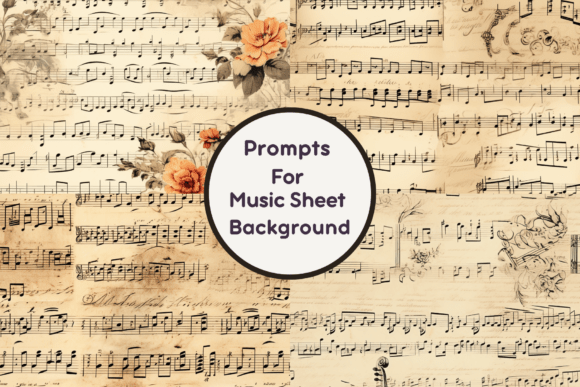
Music Sheet Backgrounds: A Designer's Guide to Musical Elegance
There's a certain magic in the visual language of music. The elegant curve of a treble clef, the rhythmic spacing of notes on a staff, the intricate symbols that tell a musician exactly how to feel a piece—these elements carry a weight of tradition, emotion, and artistry. Prompt for Music Sheet Backgrounds captures this essence, transforming it into a versatile design asset. It's not a font in the traditional sense, but a curated collection of backgrounds featuring these timeless musical motifs. Think of aged parchment with faint, ghostly notation, crisp white paper with sharp, modern staves, or textured surfaces where symbols blend into the grain. This feature provides a foundational layer of artistic atmosphere, instantly evoking creativity, rhythm, and sophistication.
The personality of these backgrounds is one of layered storytelling. On an aged parchment texture, the design whispers of history, classical compositions, and timeless tradition. The same musical elements on a clean, bright background feel contemporary, educational, and precise. This duality is its core strength. Whether you're aiming for the nostalgic warmth of a vintage concert poster or the clear, engaging layout of a modern music theory worksheet, Prompt for Music Sheet Backgrounds offers a starting point that is rich with context and emotion. It sets a scene before you even add a single word of text.
Where Musical Motifs Truly Sing
The practical applications for these backgrounds are surprisingly broad, extending far beyond obvious music-themed projects. For a music educator or a blogger focusing on music theory, they are a natural fit. Using a subtle, staff-lined background for printable worksheets, lesson plan covers, or online course materials immediately establishes credibility and thematic relevance. The design does some of the teaching for you, creating an immersive environment for the student.
For entrepreneurs and marketers in the creative space, this asset is a secret weapon. Imagine the background for a social media graphic promoting a local jazz festival, a vinyl record shop's newsletter, or a musician's album release. The layered notes and symbols add depth and visual interest that a plain color block cannot match, helping to stop the scroll and communicate the event's essence at a glance. In packaging design for a specialty coffee brand or a craft brewery, a subtle, textured music sheet background can suggest a brand story rooted in artistry, care, and a certain rhythm to its process.
Digital creators and designers will find it invaluable for building a cohesive brand identity. A consistent background theme from this collection can tie together website banners, podcast cover art, YouTube channel graphics, and digital product mockups. For a personal project like wedding invitations, milestone birthday cards, or a family recipe book cover, these backgrounds add a layer of premium font elegance and personal touch that feels both artistic and meaningful. It’s a design choice that says something about the creator's attention to detail and appreciation for beauty.
Integrating Music into Your Design Hierarchy
Using a detailed background effectively is about balance. The goal is to let the musical elements enhance your message, not compete with it. This is where principles of visual hierarchy and readability come into play. A busy, highly detailed background demands that your foreground text and graphics be bold, clear, and given ample space. Pairing it with a strong, clean sans serif font for headlines and a highly legible serif or sans serif for body copy often works best. The background provides the atmosphere; the typography delivers the information.
Consider the emotional alignment. A background with flowing, handwritten-style notation might pair beautifully with a script font for an elegant, personal invitation. In contrast, a background with geometric, modern staff lines would support a modern typography choice for a tech-forward music app's branding. The key is to test your font pairing directly on the background. Does the text remain easy to read at a glance? Does the overall composition feel balanced or cluttered? This testing phase is non-negotiable for professional results.
A Practical Checklist for Implementation
Before you commit, evaluate the project's needs. Is the background for a large-scale print design like a poster, where texture and detail can be appreciated up close? Or is it for a fast-moving digital design like an Instagram story, where clarity at a small size is paramount? Choose the background variant—aged, clean, textured—that best matches your project's tone and medium.
Next, scrutinize the included styles. A quality collection like Prompt for Music Sheet Backgrounds should offer variety in color, texture density, and musical element arrangement. This allows you to maintain a consistent theme while adapting to different layouts and color schemes across a multi-piece campaign or publication. Always check the commercial font and asset licensing. If you're using these backgrounds for client work, merchandise, or items for sale, you need to ensure the license explicitly permits such use. This is a critical step often overlooked by hobbyists and even some professionals.
Finally, use these backgrounds as a catalyst for creativity. Don't just slap text on top. Let the lines of the staff guide your text alignment. Let the placement of a clef symbol inform where you might place a logo or a key visual element. The most effective use of Prompt for Music Sheet Backgrounds treats it not as a passive wallpaper, but as an active participant in the design's composition. It’s a tool for building brand recognition and emotional connection through a universally understood artistic language. When used thoughtfully, it elevates a project from merely being seen to being felt.