Mastering Visual Serenity with Soft White Watercolor Backgrounds
In the world of digital design, we often find ourselves shouting for attention with bold colors and aggressive typography. However, there is a distinct power in restraint. When you strip away the noise, you are left with the raw texture and organic movement that truly defines luxury. This is the specific value proposition of the Soft White Watercolor Backgrounds bundle. It is not merely a collection of images; it is a toolkit for creating breathing room in your visual projects. By utilizing these assets, you introduce a level of sophistication that synthetic gradients simply cannot replicate.
The Anatomy of Organic Neutrals
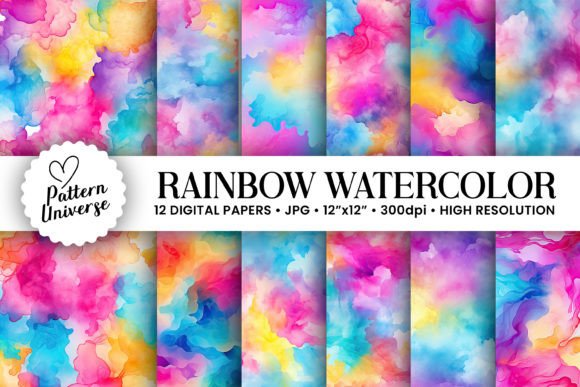
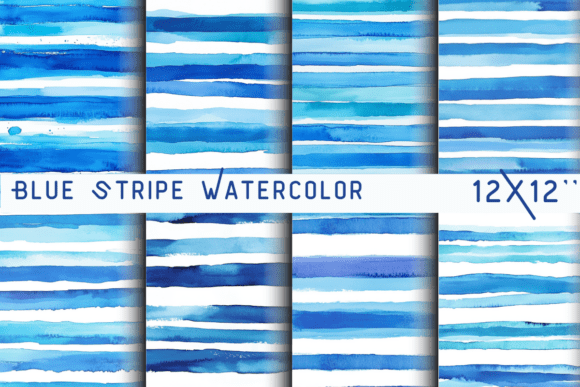
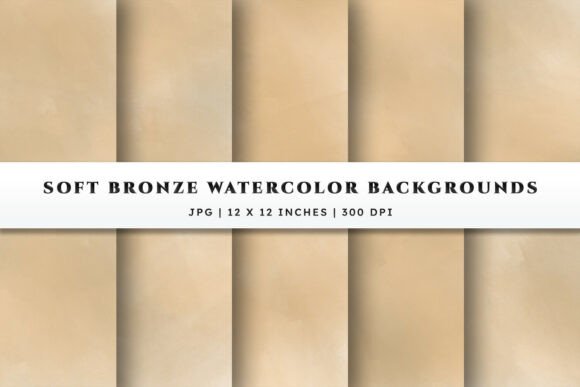
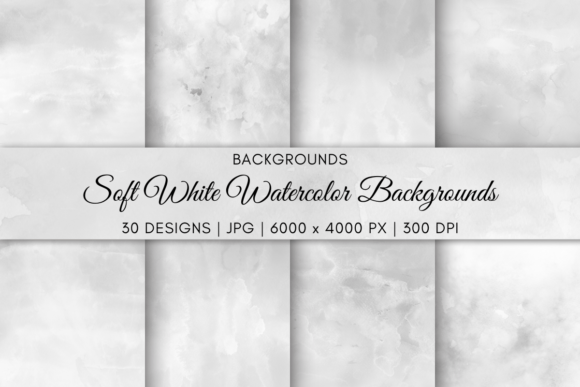
What exactly defines the visual language of these backgrounds? It is the interplay between white space and subtle pigment. A standard flat white background can feel sterile or cold, like a blank hospital wall. In contrast, the Soft White Watercolor Backgrounds offer a tactile warmth. They feature delicate washes where the pigment pools gently at the edges, creating natural vignettes. You will notice airy transitions and tonal variations that mimic the behavior of real water on paper. This "imperfect" perfection is the hallmark of high-end design. It suggests that a human hand was involved in the creation process, which builds an immediate, subconscious connection with the viewer.
This style serves as a foundational layer rather than a focal point. Think of it as the canvas upon which your narrative is built. The personality of these backgrounds is calm, airy, and undeniably elegant. They possess a "quiet luxury" aesthetic that resonates deeply with modern audiences who are tired of over-stimulating visuals. Whether you are working on logo design for a high-end boutique or crafting the layout for a wellness magazine, the soft white palette ensures that your foreground elements remain the hero of the story.
Strategic Applications: From Branding to Product Packaging
Understanding where to deploy these textures is key to maximizing their impact. The versatility of the Soft White Watercolor Backgrounds makes them a staple in the toolkit of graphic designers and marketers alike. Here is how different professionals can leverage this style:
1. Brand Identity and Stationery
For businesses in the wedding industry, cosmetics, or luxury goods, consistency is everything. Using these backgrounds across your brand identity—from business cards to letterheads—instantly communicates quality. When paired with a refined serif font or a flowing script font, the watercolor texture softens the typography, making the brand feel approachable yet premium. It creates a cohesive look that clients remember.
2. Web Design and User Experience
Flat colors are safe, but they lack soul. In web design, using a subtle watercolor texture behind a block of text can add depth without sacrificing readability. These high-resolution files are perfect for hero sections or "About Us" pages where you want to tell a story. Because they are "soft white," they maintain high contrast with dark text, ensuring your site remains accessible and easy to navigate.
3. Social Media and Content Marketing
On platforms like Instagram or Pinterest, stopping the scroll is the primary goal. However, loud graphics often get ignored. A background featuring the Soft White Watercolor aesthetic acts as a visual pause. It is ideal for quote graphics, sale announcements, or podcast covers. It provides a clean slate that allows you to overlay complex font pairings—perhaps a bold sans serif font for the headline and a delicate handwritten font for the sub-header—without creating visual clutter.
Technical Precision Meets Creative Flow
While the aesthetic is organic, the technical specifications of this bundle are strictly professional. One of the common pitfalls in design is using low-resolution textures that pixelate when printed or scaled. The Soft White Watercolor Backgrounds solve this issue by offering a massive resolution of 6000 x 4000 pixels at 300 DPI. This ensures crisp, professional output whether you are designing a small sticker or a large-scale wall art print.
Furthermore, the JPG format guarantees universal compatibility. Whether you are working in Adobe Photoshop, Canva, Illustrator, or even mobile editing apps, these files will integrate seamlessly into your workflow. This is crucial for small business owners who may not have access to complex software. The goal is to enhance your creative workflow, not hinder it with technical barriers.
Choosing and Pairing Your Typography
The success of a layout depends heavily on how the text interacts with the background. When working with the Soft White Watercolor Backgrounds, the choice of typeface becomes a balancing act of weight and style. Since the background has organic movement, you want your typography to provide structure.
Consider using a modern typography approach. A clean sans serif font offers a geometric contrast to the fluid watercolor shapes, creating a contemporary look perfect for tech startups or modern real estate branding. Conversely, if you are designing for a bakery, a spa, or a florist, pairing the background with a classic serif font amplifies the traditional, trustworthy feel of the brand.
When testing font pairings, pay attention to readability. Because the backgrounds are light and airy, you have significant flexibility. Dark charcoal or navy text often works better than pure black, as it feels less harsh against the soft white wash. This subtle adjustment can significantly improve the reading experience for your audience, keeping them engaged with your content longer.
Commercial Viability and Final Thoughts
For designers and agencies, the commercial licensing of design assets is a critical consideration. This bundle is built for professional use. Whether you are creating packaging for a client's product or designing templates for resale, the high-resolution nature of these backgrounds ensures the end product is polished.
Ultimately, the Soft White Watercolor Backgrounds are about elevating the standard of your work. They bridge the gap between digital sterility and artistic expression. By incorporating these textures, you are not just filling a background; you are setting a mood. You are telling your audience that you care about the details, that you value beauty, and that your brand stands for clarity and sophistication. In a crowded digital landscape, that quiet confidence speaks volumes.