The Gentle Glow of Light Yellow Watercolor Backgrounds
There’s a particular kind of warmth that only a soft, sunlit yellow can bring to a design. It’s the color of morning light, of parchment paper, of a subtle, optimistic energy. When that color is rendered in the fluid, organic texture of a watercolor wash, the effect is both grounding and uplifting. This is the essence of light yellow watercolor backgrounds: a versatile digital asset that brings a touch of handcrafted authenticity and serene brightness to a wide array of creative projects. Unlike flat, digital colors, these backgrounds carry the subtle imperfections and gentle gradients of paint on paper, offering a human touch in our often overly polished digital world.
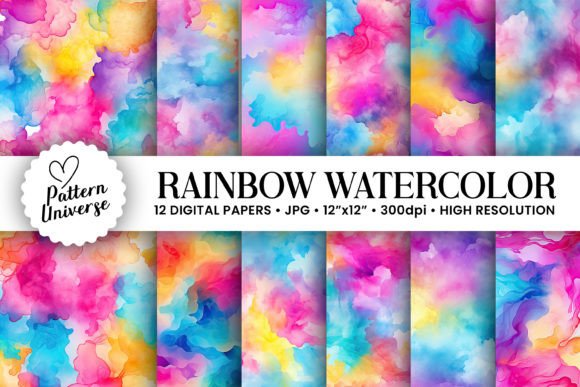
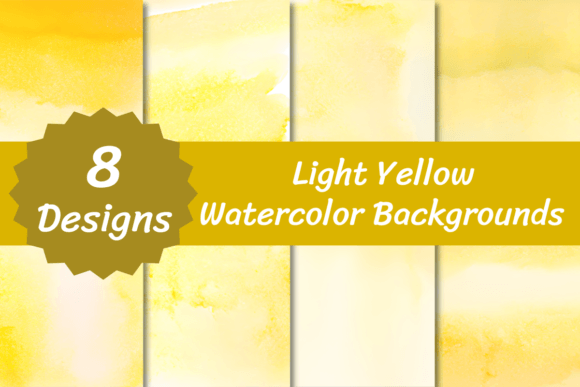
This collection provides exactly that. You receive eight distinct digital papers, each a 3600 x 3600 pixel (12" x 12") high-resolution file in both JPEG and PNG formats. The PNG files are particularly useful, offering transparency that allows the watercolor texture to be layered over other elements or used as a standalone texture. The consistent square format makes them ideal for everything from social media posts to print layouts. Think of these not as mere backgrounds, but as foundational design assets. They are a starting point, a mood-setter, and a way to instantly inject personality and texture into your work without needing to pick up a paintbrush.
Where This Soft Palette Truly Shines
The real value of a resource like this lies in its practical application. Light yellow watercolor backgrounds are surprisingly adaptable, working across numerous mediums and for diverse audiences. For entrepreneurs and small business owners, these textures can form the backbone of a warm, approachable brand identity. Imagine a bakery’s menu, a wellness studio’s brochure, or a boutique’s product tags all featuring this gentle, organic backdrop. It communicates care, quality, and a personal touch without saying a word.
For designers, marketers, and content creators, the applications are even broader. These backgrounds are perfect for:
- Social Media Graphics: Creating standout Instagram stories, Pinterest pins, or Facebook ads that feel curated and artistic rather than generic.
- Web Design: Using as a subtle website header background, a section divider, or a texture behind text blocks to enhance readability and visual interest.
- Presentation Slides: Moving away from sterile corporate templates to create decks that feel more engaging and memorable.
- Digital Invitations & Stationery: Crafting wedding invitations, event flyers, or thank-you cards with a handmade, elegant feel.
Even in the realm of publishing and editorial design, these textures have a place. They can serve as beautiful chapter title pages in eBooks, textured backgrounds for quote graphics in blogs, or as the canvas for creating compelling promotional materials for a new book launch. The light yellow tone is particularly effective for genres related to self-help, creativity, lifestyle, and children's content, where a positive, hopeful tone is key.
Making It Work: Practical Guidance for Your Project
Having a beautiful asset is one thing; using it effectively is another. The key to success with light yellow watercolor backgrounds lies in intentional pairing and thoughtful execution. The background itself is a display element with strong personality—it’s soft, textured, and expressive. Therefore, it often works best when paired with cleaner, more neutral typography to ensure legibility and create clear visual hierarchy.
Consider these practical steps:
- Choose Your Companion Fonts Wisely. A classic serif font like Playfair Display or a clean sans serif font like Montserrat or Lato can provide excellent contrast. The organic texture of the watercolor pairs beautifully with the structured geometry of modern typography. A delicate script font can be used sparingly for accents, but avoid overly ornate handwritten fonts that might compete with the background’s texture.
- Evaluate the Project Fit. Ask yourself: does this project call for warmth and authenticity? Is the target audience likely to appreciate a softer, more artisanal aesthetic? This background might not be the right fit for a fintech startup’s annual report, but it could be perfect for a indie magazine’s feature spread or a life coach’s website.
- Test for Readability. Always place your text over the background and check it at various sizes. The PNG files with transparency are great for this, as you can adjust the opacity of the background layer if needed. Ensure there is enough contrast between your text color and the background’s value. Dark charcoal or deep brown text often works better than pure black on this kind of warm, textured surface.
- Review the Included Styles. Don’t just use one paper for everything. Browse through the eight options. Some may have more pronounced brush strokes, others might be a softer, more uniform wash. Select the one whose energy best matches your specific piece—perhaps a more dynamic texture for a poster and a calmer one for a business card.
Finally, remember the licensing. This is a premium font and asset pack designed for commercial use. That means you can confidently use these backgrounds in projects for clients, in products for sale, and across your business’s marketing materials. It’s a professional resource built to elevate your work. Once you download and unzip the files, integrate them into your toolkit. Experiment. Layer them. Use them as a starting point to build something that feels genuinely yours—a design that doesn’t just look good, but feels right.