Soft and Dreamy: The Versatility of Pastel Lavender Watercolour Backgrounds
In the world of digital design, texture is everything. A flat, solid color can feel sterile, but introduce the organic, fluid nature of watercolour, and you instantly add warmth, depth, and a human touch. This is precisely the appeal of a well-crafted set of digital papers. Today, we're exploring the practical uses and aesthetic qualities of a specific collection: the Pastel Lavender Watercolour Backgrounds. This isn't just another set of pretty images; it's a versatile toolkit for anyone needing a fresh, sophisticated, and textured foundation for their work.
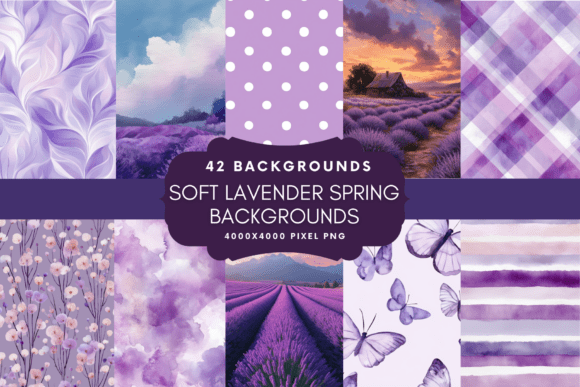
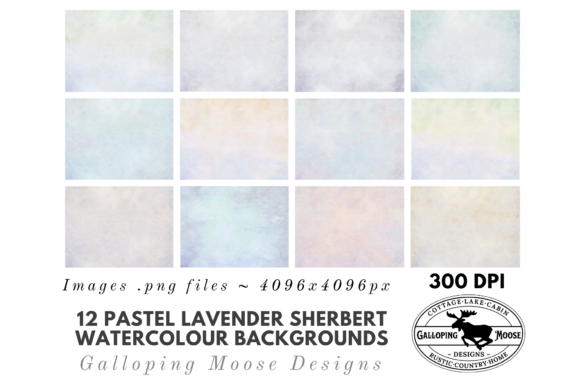
Let's be clear about what we're working with. This is a bundle of 12 high-resolution, 4096x4096 pixel PNG files. That translates to 13.7 inches square at 300 dpi—a size that gives you serious flexibility for both digital and print projects without losing an ounce of quality. Each file is named uniquely, a small but crucial detail that saves you from the tedious task of renaming dozens of assets. While the base personality is a serene, pale lavender, the collection is far from monolithic. You'll find subtle whispers of sherbert tones—hints of yellow, pink, coral, aqua, green, and blue—woven throughout. This creates a cohesive yet varied palette that can adapt to different moods and seasons, evoking a fresh spring morning or a soft summer twilight.
Where These Backgrounds Truly Shine
The real test of any design asset is its utility. These pastel lavender watercolour backgrounds excel in projects where a touch of elegance and softness is required without sacrificing professionalism. Think of them as the perfect canvas, not the final headline. For graphic designers, they are ideal for creating mood boards, presentation backgrounds for clients in wellness, beauty, or lifestyle sectors, and elegant website hero sections. The subtle texture prevents designs from looking flat and adds an artisanal quality.
For marketers and entrepreneurs, these backgrounds can elevate brand collateral. Use them behind text on social media graphics to increase readability while maintaining visual interest. They work beautifully for Instagram stories, Pinterest pins, and Facebook ads promoting products like candles, stationery, floral arrangements, or boutique clothing. The soft lavender hue is psychologically associated with calm, creativity, and femininity, making it a strategic choice for brands targeting audiences in those spaces.
Bloggers and content creators will find them invaluable for crafting consistent, branded visuals. A consistent background across all your blog graphics, lead magnets, and newsletter headers builds recognition and professionalism. Similarly, crafters and hobbyists can use these as bases for digital scrapbooking, custom greeting card designs, printable wall art, or even as a textured overlay for photography. The square format is particularly handy for Instagram posts and album covers.
Integrating Texture into Your Visual Strategy
Using a textured background effectively is about balance. The goal is to let the texture support your message, not overwhelm it. Here’s how to approach it:
- Visual Hierarchy & Readability: Place your most important text or focal element on the lightest or least textured area of the background. For body text, always choose a font with high contrast and sufficient size. A clean sans serif font or a classic serif font with good x-height will remain legible over the subtle watercolour wash. Avoid overly intricate script fonts or handwritten fonts for long paragraphs; save them for short headlines where their character can shine.
- Brand Perception & Consistency: Consistently using a specific style of background, like these pastel watercolours, across your brand identity materials—business cards, website, packaging—creates a cohesive and recognizable aesthetic. It signals attention to detail and a specific brand personality, whether that's artisanal, gentle, or creative.
- Font Pairing & Project Fit: When selecting a typeface to pair with a textured background, consider the mood. A modern, geometric sans serif font can create an interesting contemporary contrast with the organic watercolour. A classic, elegant serif font can enhance the traditional, artistic feel. For logo design or packaging design, you might use the background subtly within a shape or as a border, allowing your primary display font to take center stage.
Always test your designs at 100% zoom to ensure text remains crisp and readable. The high resolution of these files is a major asset here; it means you can zoom in to work on details without seeing pixelation, ensuring a professional finish for editorial design or high-quality prints.
Practical Selection and Usage Tips
Before diving in, take a moment to evaluate each background in the bundle. Not all will be perfect for every task. Some may have more pronounced colour shifts or texture density. Select the ones that best align with your project's colour scheme and the amount of "quiet" space you need for text.
- Licensing for Peace of Mind: For any project, especially commercial ones, always verify the licensing terms. A reputable bundle will grant clear commercial font and asset licenses, allowing you to use the backgrounds in client work, products for sale, and marketing materials without legal ambiguity.
- File Format and Workflow: These are non-transparent PNGs, which is the standard for complex textured backgrounds. You can easily place them in your design software as a base layer. If you need to place a product photo on top, the solid (though textured) background ensures your product remains the focus.
- Beyond the Obvious Uses: Don't limit yourself to traditional applications. Use these backgrounds as textures in photo editing by setting them to a blending mode like "Soft Light" or "Overlay" at a low opacity. This can add a dreamy, cohesive feel to a series of photos for a blog or portfolio.
Ultimately, a resource like the Pastel Lavender Watercolour Backgrounds bundle is about adding a layer of crafted beauty to your digital projects. It’s a practical design asset that, when used thoughtfully, can enhance the professionalism of your work, solidify your visual brand, and engage your audience with its inherent warmth and sophistication. It’s not about following a trend, but about using timeless texture to create something that feels both polished and personally resonant.