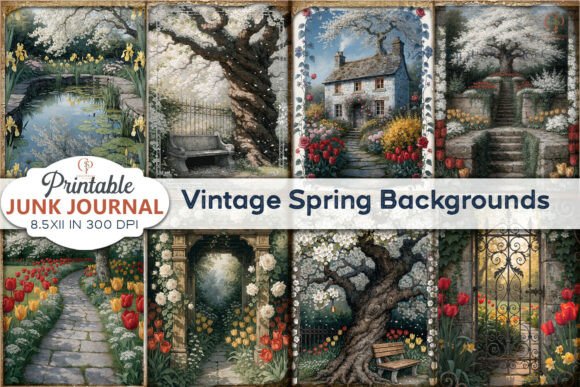
Embrace the Season: Vintage Spring Backgrounds Junk Journal
There is a specific kind of nostalgia that arrives every spring—the smell of old paper mixed with fresh blooms, the feeling of a garden gate swinging open after a long winter. If you are a crafter, designer, or content creator, you know that capturing this fleeting feeling is essential for your projects. The Vintage Spring Backgrounds Junk Journal collection is designed to bridge the gap between digital convenience and the tactile, romantic aesthetic of traditional paper crafting. It is not just a set of files; it is a toolkit for building atmosphere.
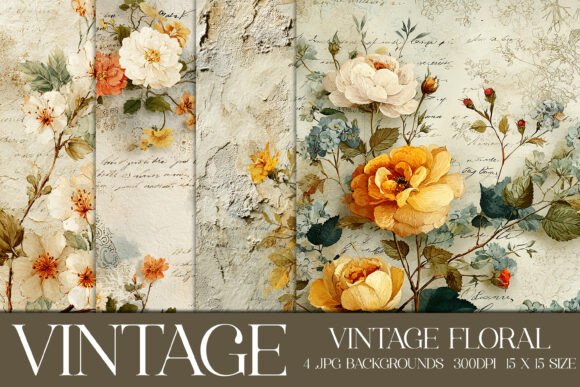
This collection features 10 high-quality JPEG files, optimized at 300 DPI and sized at 8.5 x 11 inches. This specification is crucial for anyone involved in print design or physical crafting. You do not need to worry about pixelation when you send these to a professional printer or your home inkjet. The files are ready to go, providing a solid foundation for everything from scrapbooking to complex collage art. The visual language here relies on soft textures, botanical illustrations, and the kind of wear and tear that usually takes decades to achieve naturally.
The Visual Anatomy of a Spring Garden Aesthetic
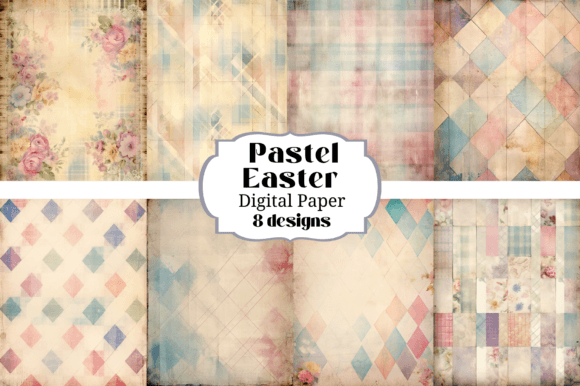
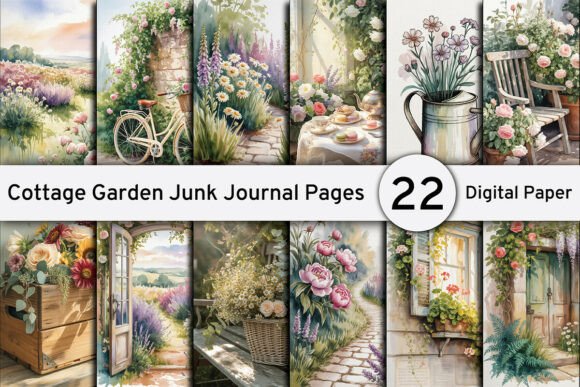
When we talk about the "personality" of a design asset, we are looking at how it makes the viewer feel. The Vintage Spring Backgrounds Garden Scenic Junk Journal Pages evoke a sense of gentle decay and organic growth. Think of the color palette: you will likely find dusty rose, sage green, antique ivory, and faded sepia tones. These are not the aggressive neons of modern marketing; these are the colors of a forgotten greenhouse.
The style leans heavily into the vintage aesthetic, which has seen a massive resurgence in brand identity work for small businesses, particularly in the wellness, floral, and lifestyle sectors. If you are building a brand identity for a boutique soap company or a local florist, these backgrounds provide an immediate visual shorthand for "authentic," "handmade," and "timeless." The textures mimic real-world materials like tea-stained paper, pressed flowers, and old ledger lines, giving your digital work a physical presence.
Practical Applications for Modern Creatives
While the name suggests a focus on junk journaling, the utility of these files extends far beyond physical notebooks. For graphic designers and marketers, these assets are versatile design assets that can solve several problems.
- Digital Planner Decoration: If you sell or create digital planners for apps like GoodNotes, these backgrounds offer a way to customize pages that feel distinct from the flat, vector-based designs that dominate the market.
- Social Media Graphics: In a feed dominated by sharp, high-contrast digital art, a textured, soft background can stop the scroll. Use them behind quotes, announcements, or product photos to add depth.
- Website Hero Images: For web design, particularly for blogs focused on gardening, history, or DIY crafts, these images work beautifully as full-width hero sections. They set a mood immediately without overwhelming the text overlay.
Consider the entrepreneur launching a new product line. Instead of using a generic white background for your packaging design mockups or Instagram posts, layering a vintage spring background adds context. It tells a story. It suggests that the product inside is curated and thoughtful. This is where visual hierarchy comes into play; the background should support the foreground element (your product or text), not compete with it. The low-contrast nature of vintage textures makes them ideal for this role.
Integrating Assets into Your Workflow
One of the biggest challenges in creative work is maintaining consistency. When you download a set of assets like the Vintage Spring Backgrounds, you are essentially buying a cohesive visual thread. To get the most out of them, you need to think about how they pair with your typography.
Since these backgrounds are busy and textured, you need to be careful with your font choices. A highly decorative script font or an intricate handwritten font might get lost in the visual noise of the background. Instead, consider pairing these organic backgrounds with a clean sans serif font for body copy to ensure readability. For headlines, a sturdy serif font or a bold display font often works best, providing a structured contrast to the loose, flowing nature of the garden scenery.
Here is a practical approach to testing these backgrounds in your next project:
- Check the Contrast: Before committing to a background, place your text over it. If you have to add a heavy drop shadow or a solid text box to make the words readable, the pairing might not be working. The goal is seamless integration.
- Color Extraction: Use a color picker tool to extract specific hues from the background—perhaps a specific shade of moss green or faded pink. Use these extracted colors for your text or graphic elements to create a harmonious color theory foundation.
- Opacity Adjustments: Do not be afraid to lower the opacity of the background image. If the floral pattern is too strong, fading it to 50% can turn it into a subtle texture that supports your layout rather than dominating it.
From Personal Hobby to Commercial Asset
For the hobbyist, the value is in the joy of creation—printing these pages, cutting them up, and gluing them into a physical journal. But for the creative professional, the value lies in time saved and quality added. Using high-resolution, pre-designed textures like these allows you to focus on the layout and messaging rather than spending hours trying to create a convincing "old paper" effect in Photoshop.
Whether you are working on editorial design for a magazine spread, creating a logo design presentation for a vintage-themed client, or simply decorating your personal planner, the Vintage Spring Backgrounds Junk Journal collection offers a practical, high-quality solution. It is a reminder that good design often looks backward to move forward, using the textures of the past to create fresh, engaging content for today.