Desert Sand Dunes Earth Tone Backgrounds
Capturing the Essence of Organic Elegance
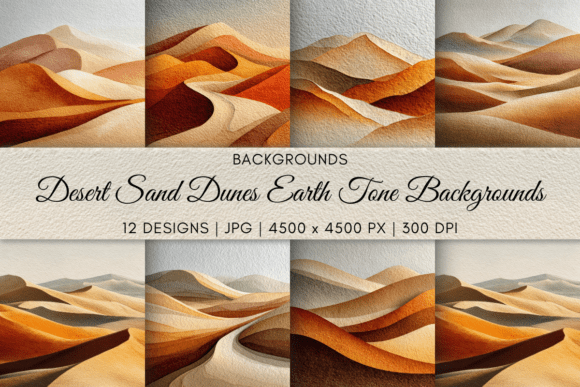
There is a specific kind of calm found in the desert landscape—a visual silence that speaks volumes through texture and light. When we talk about Desert Sand Dunes Earth Tone Backgrounds, we aren't just discussing a collection of images; we are discussing a foundational element of modern typography and design strategy. These backgrounds serve as the canvas upon which visual stories are built. Unlike generic digital textures, these designs mimic the natural, wind-swept ripples of sand, utilizing a palette rooted in terracotta, ochre, and soft clay. This creates an immediate sense of warmth and groundedness, offering a premium font style of backdrop that elevates any project from standard to sophisticated.
The visual personality of these assets is defined by their subtlety. In a digital landscape often dominated by aggressive neon colors and high-contrast gradients, earth tones provide a necessary visual break. They act as a neutral, yet character-rich foundation. The "personality" of Desert Sand Dunes Earth Tone Backgrounds is organic, serene, and timeless. For brand identity projects, this style suggests stability, sustainability, and a connection to nature. It doesn't scream for attention; rather, it holds attention through gentle movement and soft shadows. This makes it an invaluable asset for designers looking to convey a sense of luxury without the use of heavy ornamentation.
Strategic Applications for Designers and Entrepreneurs
Understanding where to deploy these backgrounds is just as important as the assets themselves. For those working in editorial design, such as magazine layouts or long-form blog posts, a textured earth tone background can drastically improve the reading experience. When paired with a clean sans serif font or a classic serif font, the sand dune texture adds depth to the page without interfering with legibility. It transforms a flat digital page into a tactile experience, making the content feel more substantial and worthy of the reader's time.
In the realm of web design and user interface (UI), these backgrounds excel as hero sections or landing page backdrops. A high-resolution image of rolling dunes can set the mood for a travel agency, a wellness brand, or a sustainable goods store. The earth tones are psychologically comforting, which can increase the time a user spends on a site—a key metric for conversion. Furthermore, for packaging design, the texture of sand dunes translates beautifully to physical products. Imagine a skincare line or a gourmet coffee brand wrapped in the warm, tactile feel of ochre and clay. It communicates "handcrafted" and "natural" instantly.
Here are specific scenarios where these assets provide maximum value:
- Social Media Graphics: Creating consistent, branded templates for Instagram or Pinterest where the background needs to be calming yet engaging.
- Logo Design: Using the texture as a clipping mask for typography to give a creative font a gritty, organic finish.
- Wall Art & Decor: Leveraging the high-resolution 4500x4500 pixel files to create physical prints that stand up to scrutiny in gallery settings.
- Video Backgrounds: Using the static image as a backdrop for text overlays in promotional videos or YouTube intros.
Mastering Typography and Hierarchy on Textured Backgrounds
One of the most common challenges designers face is maintaining readability on textured surfaces. Desert Sand Dunes Earth Tone Backgrounds offer a unique advantage here: the texture is organic and usually low-contrast, meaning it doesn't create the "visual noise" that a busy geometric pattern might. However, successful implementation requires a thoughtful approach to visual hierarchy. When overlaying text, you must ensure there is sufficient contrast. A bold, white sans serif font often works best for headlines, cutting through the texture with clarity. For body text, a slightly heavier weight or a drop shadow might be necessary, though often the texture is subtle enough to support standard dark text.
Consider the interplay between the background and your typeface. If you are using a script font or a handwritten font, the soft curves of the dunes can complement the fluidity of the letters. However, be wary of thin strokes getting lost in the shadows of the sand texture. This is where font pairing becomes critical. Pairing a delicate script with a sturdy, geometric display font for the sub-headers can create a dynamic balance. The background acts as the bridge, softening the transition between the different typographic voices.
Evaluating Quality and Commercial Licensing
Not all design assets are created equal. When sourcing Desert Sand Dunes Earth Tone Backgrounds, quality is paramount. A resolution of 300 DPI is non-negotiable for print projects, ensuring that the subtle grain of the sand remains crisp and doesn't pixelate when scaled. The difference between a standard web image and a high-quality JPG designed for professional use is visible in the gradients—professional assets avoid "banding" (visible lines in color transitions), which is crucial for the smooth flow of sand dunes.
For small business owners and entrepreneurs, licensing is a practical concern that cannot be overlooked. Utilizing assets from reputable sources, such as the Artistic Wisdom store on Creative Fabrica, ensures that you have the commercial rights to use these designs in your products. Whether you are selling a t-shirt with the design printed on it or using it for a client's website, clear licensing protects your business. It removes the guesswork and legal risks associated with stock imagery.
Integrating Earth Tones into Your Creative Workflow
Adopting Desert Sand Dunes Earth Tone Backgrounds into your workflow is about more than just aesthetics; it is about efficiency. Having a library of 12 distinct, high-quality variations allows for rapid prototyping. Instead of spending hours manually creating gradients or searching for the right texture, you can instantly apply a professional backdrop. This is particularly valuable for content creators who need to maintain a consistent aesthetic across multiple platforms. The "earthy" look is versatile enough to span seasons, working just as well for an autumn promotion as it does for a minimalist summer campaign.
Ultimately, these backgrounds are a testament to the power of nature-inspired design assets. They bridge the gap between the digital and the physical, offering a tactile quality that resonates with viewers on a subconscious level. By incorporating these elements, you aren't just filling space; you are crafting an environment. You are inviting your audience into a space of tranquility and focus, allowing your message—whether through a display font headline or a subtle logo—to shine against a backdrop of timeless, earthy elegance.